


Construction Equipment & Machinery Accident Lawyers in Seattle
Decades of Experience. Record Results. Built for Tough Cases.
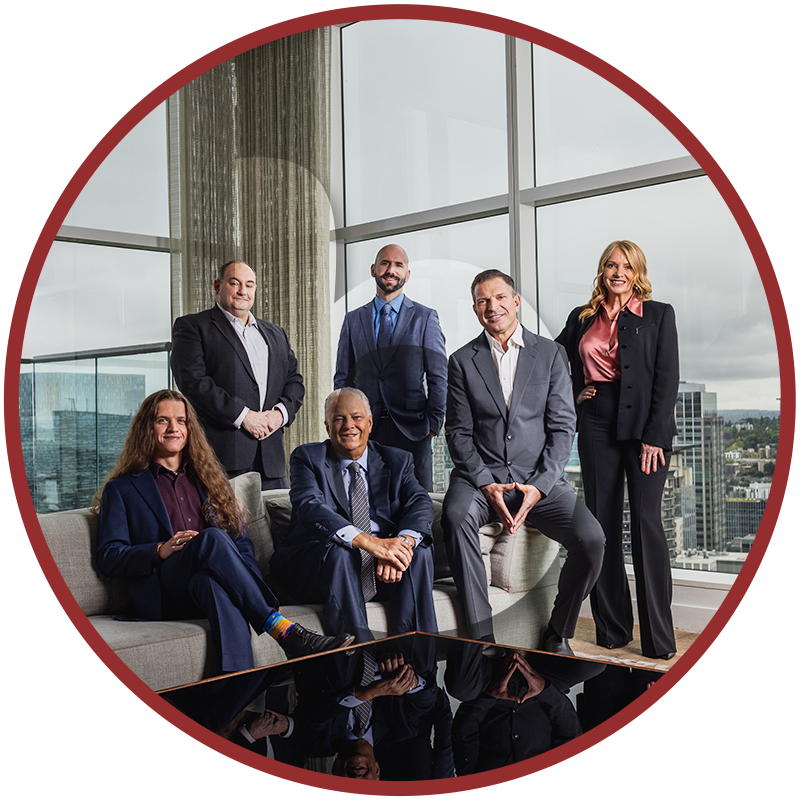
Bishop Legal has represented seriously injured construction workers across Washington for more than 30 years. When equipment fails and the injuries are permanent, workers turn to our firm because of what we bring to these cases:
- Two Washington Supreme Court Victories that strengthened contractor liability and safety protections for workers on multi-employer job sites across the state
- Former Insurance Adjuster on Our Team. Attorney Derek Moore's background gives us a distinct advantage in how we evaluate and counter these claims
- Record Results Against Major Defendants, including contractors, manufacturers, government agencies, and the Port of Seattle
- Trusted by Immigrant and Spanish-Speaking Workers. Bilingual staff and a long record of results for Washington's most vulnerable workforce.
- No Fees Unless We Win. Contingency-fee representation with no upfront costs.
Call (206) 260-3316 or contact us online for a FREE consultation. Our Seattle construction machinery accident attorneys are available 24/7. Se Habla Español.

Injured & Overlooked?
Here’s How We Step In








you're not alone
Just Ask the People We’ve Helped
-
“I was referred to Bishop Legal after an accident I was in and am passing on the good word!! Nicia and John were incredible, both during and after the treatment process.”- Carly L.
-
“Bien bueno trabajo!! nos ayudo mucho con nos caso y pelio mucho! bien bueno abogado, lo recomiendo 100%”- Natalie S.
-
“I had the opportunity to work with bishop and they made my process so easy and if I ever had any questions they were always available to call.”- Ashley R.
-
“Muchas gracias abogado bishop por su ayuda en mi accidente, obtuvimos un excelente resultado y quiero agradecerle especial ayuda al abogado.”- Marta C.
-
“Estoy muy agradecida por el acompañamiento que me brindó Roberto para que mi caso de accidente automovilístico se resolviera de la mejor manera posible, me brindó toda la información necesaria, resolvió todas mis dudas y me orientó durante todo el proceso.”- Ana S.
-
“Fue muy dificil El caso de mi esposa Blanca Romo, pero al final fue muy astuto mi paralegal y abogado para resolver mi caso.”- Jessie B.
-
“We had an awesome experience with Bishop Law. We worked with Roberto Salas and he was very professional, informative, and always had good communication with us throughout the whole process. We were very happy with the results and we would definitely recommend their services!”- Julio L.
-
“- Flora P.
Tiene un equipo muy especial de trabajo disponible para nosotros dispuestos a ayudar y a defenderte con todo de acuerdo a la ley me trataron lo mejor posible y trabajan muy duro para que resinamos la mejor compensación más que una firma de abogados son tus mejores amigos lo s recomiendo altamente siempre voy a estar agradecida con ellos. Y en especial con Roberto Salas
” -
“I had a truly exceptional experience working with Bishop Legal. They made it so easy to work through my claim, always answering my questions through phone and email, keeping me informed about my case status, and making sure I was involved with all of the decisions. They have a truly wonderful support staff and amazing attorneys. If I ever need an attorneys office I would absolutely go to Bishop Legal again. If you are looking for anyone to help you with a case, I completely recommend calling Bishop Legal, they will definitely do what they can to help.”- Jessica P.
Our Record in Construction Injury Cases
Some of our major construction accident results include:
- $25 Million — Record settlement for an immigrant laborer struck by an industrial hose, suffering traumatic brain injury and permanent disability.
- $1Million — Drywall installer suffered catastrophic foot injuries after a 16-foot fall caused by faulty scaffolding.
- $800,000 — Steel worker fractured his femur after tripping on hazardous metal studs at the Totem Lake WSDOT overpass.
See more case results.
Equipment and Machinery Injuries on Construction Sites
The range of equipment involved in serious construction injuries is broad. At Bishop Legal, we handle claims arising from:
- Power Tools and Hand-Operated Equipment. Circular saws, nail guns, grinders, and similar tools cause serious lacerations, amputations, and eye injuries when guards are removed, equipment is defective, or workers are inadequately trained.
- Cranes and Hoisting Equipment. Crane collapses, dropped loads, and rigging failures are among the most catastrophic events on any job site. These cases frequently involve questions of inspection compliance, operator certification, and load capacity oversight.
- Manlifts, Scissor Lifts, and Aerial Work Platforms. Falls from elevated platforms, whether caused by tip-overs, mechanical failures, or inadequate guardrails, can produce serious injuries and fatalities.
- Concrete and Masonry Equipment. Industrial mixers, vibrators, and pumping equipment operate under high pressure and can cause severe crush injuries, amputations, and traumatic brain injuries.
- Trenching and Excavation Equipment. Cave-ins, auger entanglement, and excavator strikes are recurring hazards on utility and foundation projects. They’re often linked to failures in shoring, supervision, or equipment operation.
- Industrial Saws and Cutting Equipment. Table saws, miter saws, and cutting wheels without adequate blade guards or kickback protection are a frequent source of serious hand and finger injuries on framing and finish work.
Equipment injury cases can involve more than one responsible party, such as the operator, the company that owned or maintained the equipment, the general contractor overseeing site safety, or the manufacturer if a defect was involved. Sorting out who is liable requires early investigation before equipment is repaired or removed from the site.
Workers' Compensation and Your Right to More
Washington workers injured by construction equipment frequently have rights beyond what L&I provides. Workers' compensation covers your employer, but not the contractor whose equipment failed, the manufacturer whose product was defective, or the general contractor who failed to enforce safe equipment practices on the job site.
When any of those parties contributed to your injury, Washington law allows you to pursue a separate civil claim. That claim is not limited to L&I's benefits schedule. It can recover:
- Full lost earning capacity, not just a portion of wages
- Pain, suffering, and emotional distress
- Long-term medical and rehabilitation costs
- Permanent impairment and loss of enjoyment of life
- Wrongful death damages for surviving family members
Filing for workers' compensation does not waive your right to a third-party claim. The two proceed on separate tracks, and an attorney can help you coordinate them to maximize total recovery.
Who Can Be Held Liable?
Depending on the circumstances, potentially liable parties may include:
- Equipment Manufacturers. When a piece of machinery fails due to a design defect, missing safety feature, or manufacturing error, the manufacturer may face product liability claims regardless of how the equipment was used on site.
- General Contractors. Washington law places overarching safety responsibility on general contractors for all operations on a multi-employer job site — including equipment inspection, operator qualifications, and compliance with WISHA standards.
- Subcontractors. The company that owned or operated the equipment at the time of the injury is typically a primary defendant. Inadequate training, removal of safety guards, and failure to inspect are common allegations.
- Rental and Leasing Companies. Equipment suppliers have a duty to provide machinery in safe working condition. When a rental company knows of — or should have discovered — a defect through reasonable inspection, liability may attach.
- Property Owners and Developers. Owners who maintain control over job site safety or who allow dangerous equipment conditions to persist may face direct liability for resulting injuries.
Do I Have a Case?

-
$40,000,000 Jury Verdict | Airport Accident
-
$25,000,000 Settlement | Immigrant Concrete Worker Accident
-
$11,000,000 Settlement | Airport Accident
-
$1,000,000 Settlement | Construction Accident
-
$800,000 Settlement | Construction Accident
-
$527,000 Verdict | Insurance Bad Faith
Frequently Asked Questions
What if the Equipment Had a Known Defect but My Employer Told Me to Use It Anyway?
Your employer's decision to use defective equipment may give rise to claims beyond standard workers' compensation, particularly if the manufacturer or a maintenance company bears responsibility for the defect. An attorney can evaluate whether third-party claims are available based on the specific facts.
Can I Sue a Manufacturer if the Equipment Was Modified After It Left the Factory?
It depends on how the modification affected the injury. Manufacturers may argue that post-sale modifications break the chain of liability. Whether that defense succeeds depends on the nature of the modification and whether the original design was independently defective or dangerous.
What if I Was Not Trained to Use the Equipment That Injured Me?
Inadequate training is a common basis for liability against both the employer and the general contractor responsible for overall site safety. If a subcontractor deployed an untrained worker on equipment requiring certification, that failure may support claims against multiple parties.
How Is Fault Determined When Multiple Contractors Are Involved?
Washington courts allocate fault proportionally across defendants under the state's comparative fault framework. Each party's share of responsibility is determined based on their role, their control over safety conditions, and the specific conduct that contributed to the injury. A thorough investigation, including review of contracts, safety plans, and inspection records, is how those shares are established.