

When catastrophic injuries occur around industrial equipment, one of the first legal questions investigators ask is whether the hazard was properly guarded. Machine guarding is one of the most fundamental safety requirements in industrial workplaces, and failures in guarding systems frequently become a central issue in serious injury litigation.
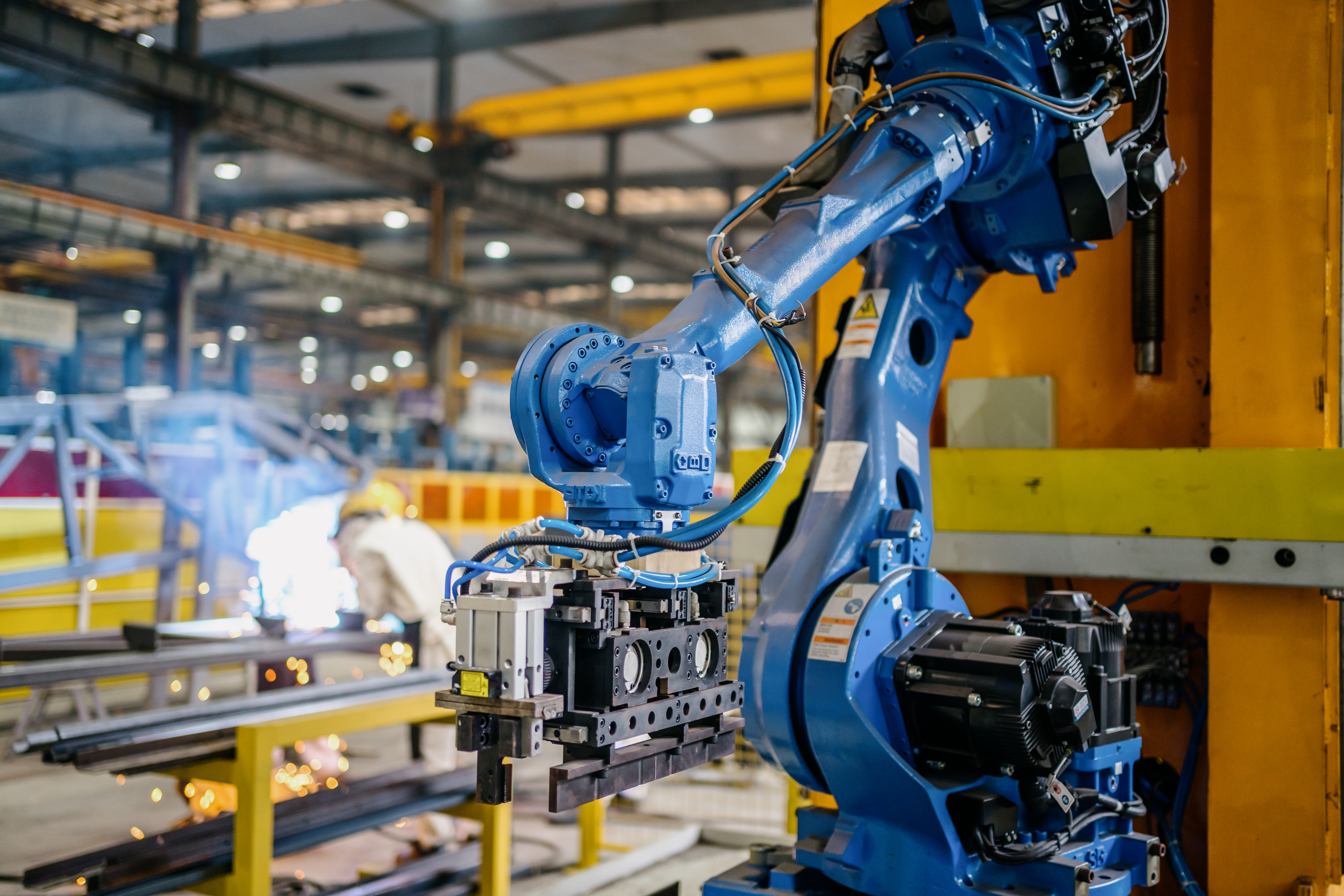
Federal safety standards require employers to protect workers from hazards such as rotating parts, pinch points, and running nip points where moving components can pull a person into the machine. These requirements are designed to prevent exactly the types of injuries that often appear in industrial accident cases, including amputations, crush injuries, and severe lacerations.
When a machine lacks appropriate guarding or when guards are removed or bypassed, the absence of that protection can become key evidence in determining liability.
OSHA Guarding Standards That Often Shape Injury Claims
The Occupational Safety and Health Administration sets the baseline expectations for machine guarding in industrial workplaces. OSHA’s general machine guarding regulation requires that equipment be designed and maintained in a way that prevents workers from reaching hazardous moving parts during normal operation.
The focus is not simply whether a guard exists somewhere on the machine. Instead, investigators examine whether workers could realistically access the danger zone while performing their tasks. If an operator’s hands or clothing can reach the hazardous area during operation, maintenance, or cleaning, the machine may be considered improperly guarded.
Certain categories of equipment have additional safety rules because they are frequently involved in severe injuries. Mechanical power presses require specialized safeguards such as two-hand controls or presence-sensing devices. Woodworking machines and abrasive wheel tools also have specific guarding requirements due to the high risk of amputation and serious cutting injuries.
When these safety standards are ignored or improperly implemented, they often become powerful evidence that a hazard was foreseeable and preventable.
Common Guarding Failures That Lead to Serious Injuries
One of the most common patterns in industrial injury cases involves guards that were missing, removed, or inadequate. Workers may encounter exposed blades, belt-and-pulley systems, or rotating components that should have been shielded.
Sometimes guards are removed because they slow production or make tasks difficult to perform. In other cases, the guard design itself may make safe operation impractical, encouraging workers to bypass or disable the safety device.
Modern equipment may also rely on electronic safeguards such as interlocks, light curtains, or two-hand controls. While these systems can be effective, they can also be bypassed if they are poorly designed or if workplace pressure encourages unsafe shortcuts. Evidence showing that these safeguards were routinely defeated or ignored can play a significant role in determining responsibility after an accident.
Guarding issues are not limited to large industrial machinery. Portable power tools such as grinders, saws, and cutting tools also require protective guards. Missing or malfunctioning guards on these tools can lead to devastating hand injuries, eye injuries, and other permanent damage.
Legal Theories Behind Guarding Related Injury Claims
Serious injury cases involving unguarded equipment often rely on negligence principles. These claims may focus on whether an employer provided adequate training, conducted regular inspections, and enforced safety policies designed to prevent exposure to hazardous machinery.
In some situations, responsibility may extend beyond the employer. Product liability claims can arise if a machine was designed without adequate safety features or if warnings failed to address predictable hazards. Manufacturers, distributors, or equipment refurbishers may be involved if the machine’s design made it unsafe to operate under normal conditions.
Because workplace injury laws often limit direct lawsuits against employers, many guarding cases focus on third-party liability. Maintenance contractors, equipment manufacturers, staffing agencies, or other companies working at the same site may share responsibility when their actions contributed to the hazard.
Evidence That Can Determine the Outcome of Guarding Cases
Evidence preservation is critical after a serious machinery accident. Equipment is often repaired or altered quickly after an incident, making it difficult to prove the machine's original condition.
Photographs of the equipment, documentation of the work area, and records of maintenance and safety inspections may become essential evidence. OSHA investigation reports can also play an important role by documenting hazards and identifying safety violations related to guarding failures.
Technical experts are frequently used in these cases to evaluate machine design, guard placement, and whether safer alternatives were available. Their analysis can help explain how the accident occurred and whether proper safeguarding would likely have prevented the injury.
Protecting Your Rights After a Machinery Injury
Guarding failures are rarely random events. In many cases, the hazard existed long before the injury occurred, and a properly designed safety system could have prevented the harm.
If you or a loved one was seriously injured by an unguarded machine or tool, understanding the legal and technical issues involved can make a significant difference in the outcome of a claim. Bishop Legal helps injured workers and families evaluate machinery accident cases, preserve critical evidence, and determine whether third-party liability may be involved when preventable guarding failures lead to life-changing injuries.