


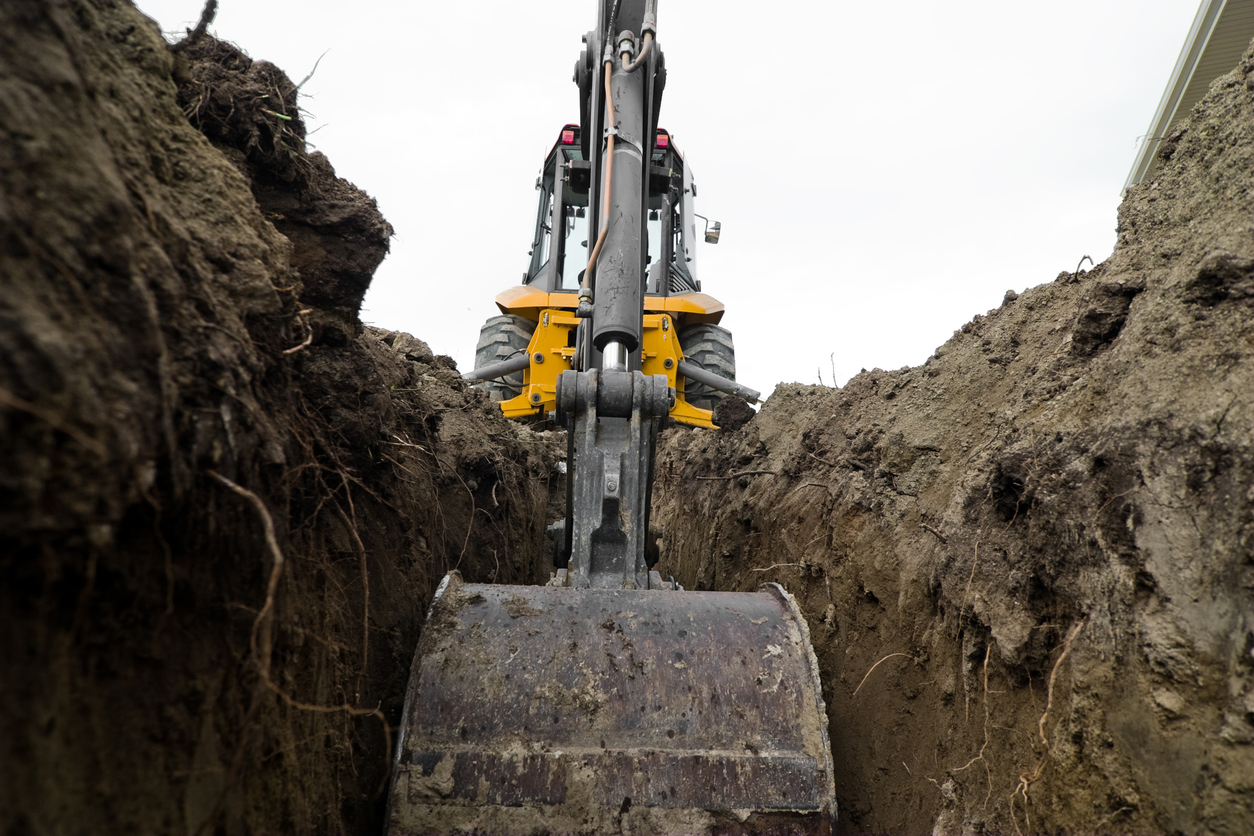
A trench collapse can happen in seconds. When thousands of pounds of soil give way, workers can suffer catastrophic crush injuries, brain injuries, spinal cord damage, internal injuries, or death.
For construction workers in Washington, new trench safety requirements are intended to address these dangers before anyone enters an excavation. As of June 1, 2026, Washington employers face additional requirements for planning trench work, documenting hazards, and keeping a qualified person on site.
When a trench collapse occurs, those requirements may also provide important evidence about what went wrong and who was responsible.
What Changed Under Washington’s 2026 Trench Safety Rules?
Washington’s Department of Labor & Industries (L&I) amended WAC 296-155-655, which governs excavation, trenching, and shoring work.
One of the most significant changes is the requirement for a written trench excavation work plan before employees enter certain trenches requiring protective systems.
The work plan is intended to identify and address hazards before work begins. Depending on the project, that can include soil conditions, underground utilities, potentially hazardous atmospheres, protective systems, access and egress, and procedures for responding to an emergency.
The amended rules also require a competent person to remain on site whenever trenching and excavation work is being performed. A competent person must be able to identify existing and predictable hazards and have the authority to take corrective action.
These are not minor administrative requirements. L&I adopted the changes after reviewing fatalities and serious injuries involving excavation and trenching work in Washington.
Why the Written Trench Work Plan Can Matter After a Collapse
After a serious trench collapse injury, determining what should have happened before workers entered the excavation can be critical.
The required work plan creates a written record of the hazards identified and the protections intended to be in place.
If a plan called for a trench box, shoring, sloping, or another protective system and those protections were not actually used, the discrepancy may become important evidence. The same may be true if no required plan existed at all.
Investigators may also examine whether a competent person was present, whether soil and site conditions were properly evaluated, whether the trench was inspected, and whether changing conditions were addressed.
Trench sites can change quickly after an injury. Excavations may be filled, equipment moved, and crews reassigned. Documents, photographs, inspection records, witness accounts, and L&I investigation materials can therefore become particularly important when reconstructing what occurred.
A Trench Collapse May Involve More Than an L&I Claim
Washington workers injured on the job may qualify for L&I workers’ compensation benefits. But workers’ compensation is not necessarily the only source of recovery after a trench collapse.
Construction projects frequently involve general contractors, subcontractors, property owners, developers, utilities, equipment companies, and public entities. If a party other than the injured worker’s employer contributed to an unsafe trench, a separate third-party personal injury claim may be possible.
This distinction can be especially important after a catastrophic injury. A third-party claim may allow an injured worker to pursue damages that are not available through the workers’ compensation system.
Determining responsibility requires looking beyond who issued the worker’s paycheck. Attorneys may investigate who controlled the job site, who planned the excavation, who was responsible for safety, who supplied equipment, and which companies had authority over the work being performed.
Washington Construction Sites Have Specific Safety Responsibilities
Trench collapse cases can become particularly complex on multi-employer construction sites.
Washington law places significant safety responsibilities on general contractors. Depending on the circumstances, a general contractor may not be able to avoid responsibility simply because an injured worker was employed by a subcontractor.
That makes the new written work-plan requirement particularly relevant. The existence of a plan, what it required, who knew about it, and whether those requirements were followed can help establish how safety was managed on the site.
For Latino and immigrant construction workers, these issues can carry additional significance. Bishop Legal represents construction workers throughout Washington, including Spanish-speaking and immigrant workers who may be uncertain about their rights after suffering a serious workplace injury.
Understanding Your Rights After a Washington Trench Collapse
Washington’s new trench safety rules put greater emphasis on identifying hazards and documenting protections before workers enter dangerous excavations. When those protections fail, the required records can provide an important starting point for determining why a collapse occurred and whether another company bears responsibility.
Bishop Legal has represented seriously injured construction workers in Washington for more than 30 years, including workers harmed on complex, multi-employer job sites. If you or a family member suffered a serious trench collapse injury, our team can help you understand whether your case involves rights beyond an L&I claim.