


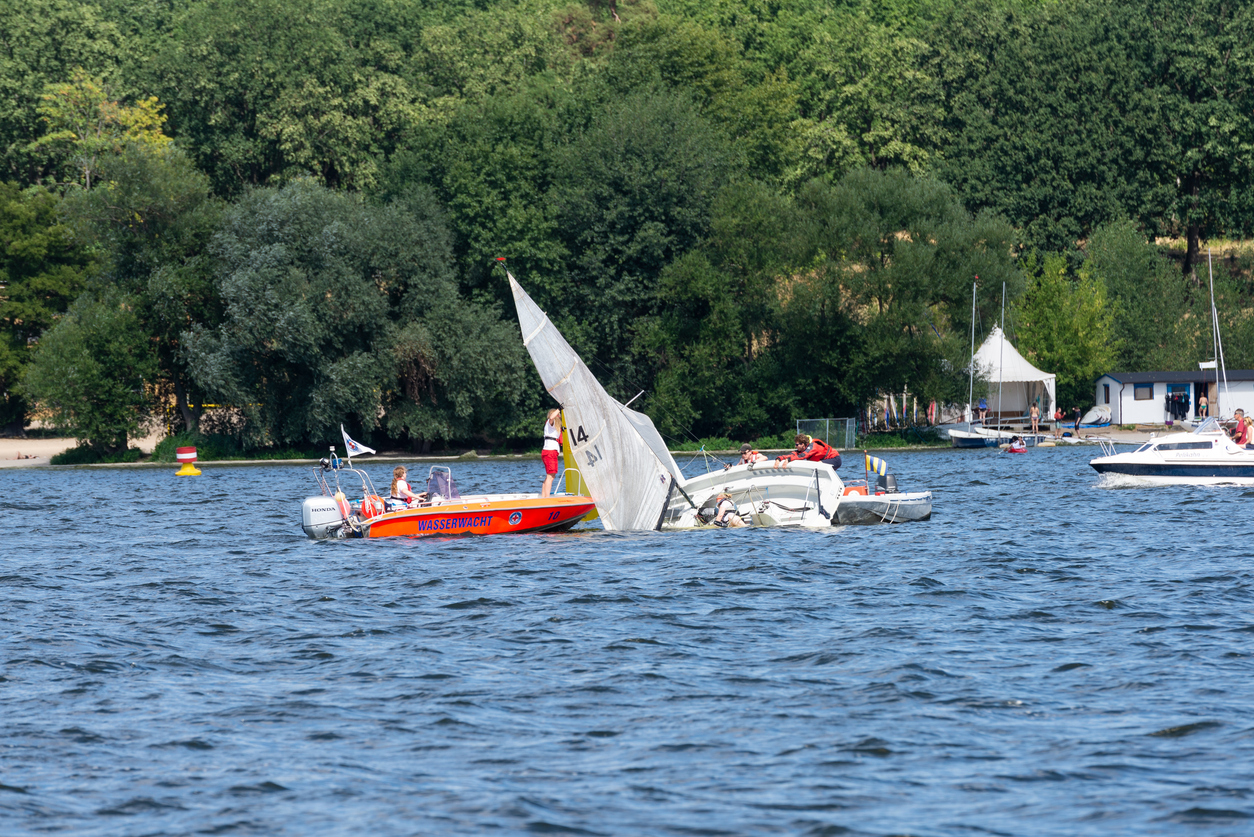
Washington summers are built around the water. Puget Sound, Lake Washington, the San Juan Islands, the Columbia River, and countless lakes and rivers draw boaters, passengers, swimmers, kayakers, paddleboarders, and families throughout the season.
Most outings end safely. When they do not, the legal questions that follow are often more complicated than people expect.
A boating accident claim does not always work like a standard car accident case. The location of the accident, the type of vessel, the role of the injured person, and the cause of the injury can all affect which law applies and who may be responsible.
Common Ways Boating Accidents Happen During Summer
Boating accidents can happen for many reasons, but serious injuries often involve preventable conduct. During the summer, Washington waters become more crowded, and the risk increases when boaters are inexperienced, impaired, distracted, or careless.
Common causes of boating accidents include:
- Impaired boat operation
- Excessive speed
- Failure to keep a proper lookout
- Unsafe turns or sudden maneuvers
- Ignoring no-wake zones
- Collisions with other boats, docks, swimmers, kayaks, or paddleboards
- Inexperienced rental boat operation
- Lack of proper safety equipment
- Poor vessel maintenance
- Hazardous dock, marina, or boat launch conditions
- Sudden weather, rough water, or low visibility
Some accidents are true emergencies. Others happen because someone failed to use reasonable care.
Which Law Governs a Boating Accident in Washington?
Washington’s boating safety laws, found primarily in RCW 79A.60, govern operator conduct, equipment requirements, and boating under the influence on state waters. These are the rules most recreational boaters are at least vaguely familiar with.
But injuries on navigable waters can also implicate federal maritime law. Maritime law may apply when an accident occurs on waters connected to interstate or international commerce and has a sufficient relationship to maritime activity. Puget Sound, the Columbia River, and other major Washington waterways can qualify as navigable waters in this legal sense.
As a result, the legal framework may depend on where the accident happened, what type of vessel was involved, and whether the activity had a connection to maritime commerce or navigation. In some cases, Washington law and maritime principles may both affect the claim.
This is one reason serious boating accident cases benefit from attorneys who understand how overlapping legal rules may shape liability, deadlines, damages, and available recovery.
Operator Negligence on the Water
Boat operators owe a duty to use reasonable care. That includes protecting passengers, other boaters, swimmers, paddleboarders, kayakers, and others lawfully using the water.
A boat operator may be liable when careless or reckless conduct causes an injury. Examples include:
- Operating too fast for weather, water, or traffic conditions
- Failing to watch for swimmers or smaller vessels
- Making unsafe turns near passengers or other boats
- Ignoring navigation rules
- Failing to slow down near docks, marinas, or no-wake zones
- Allowing too many passengers on board
- Operating a poorly maintained vessel
- Boating while impaired
Passengers may also have claims when they are injured because the operator failed to act responsibly. A guest on a boat should not be placed at unnecessary risk because the operator was speeding, impaired, inattentive, or inexperienced.
Boating Under the Influence in Washington
Under RCW 79A.60.040, it is unlawful to operate a vessel while under the influence of alcohol, cannabis, or drugs. The law includes a 0.08 alcohol concentration threshold and also covers impairment caused by drugs or a combination of alcohol and drugs.
Evidence that an operator was boating under the influence can strongly support a civil negligence claim. A civil case is separate from any criminal prosecution. A conviction may support the injured person’s civil case, but a personal injury claim does not depend on the criminal case ending in a conviction.
In a boating accident case, evidence of impairment may come from:
- Law enforcement reports
- Breath or blood testing
- Witness statements
- Alcohol containers or receipts
- Photos or videos from before the accident
- Operator behavior before and after the incident
- Statements made by passengers or other boaters
Impairment matters because alcohol and drugs can affect judgment, reaction time, balance, coordination, and the ability to respond to changing water conditions.
Who Else May Be Liable for a Boating Accident?
Liability does not always stop with the boat operator. Depending on the facts, other parties may share responsibility for a serious boating injury.
Boat Owners
A boat owner may be liable if they allowed an unsafe, impaired, or inexperienced person to operate the vessel. This is often discussed as negligent entrustment. The issue is whether the owner knew or should have known that the operator was not fit to use the boat safely.
An owner may also face liability if the boat was unsafe because of poor maintenance, defective equipment, missing safety gear, or known mechanical problems.
Rental Companies
Boat rental companies may be responsible when they rent out unsafe vessels, fail to inspect equipment, ignore maintenance problems, or provide inadequate instructions to inexperienced renters.
Rental-related cases may involve questions such as:
- Was the vessel properly maintained?
- Were safety rules explained?
- Was the renter qualified to operate the boat?
- Were life jackets and required safety equipment provided?
- Did the company ignore known mechanical issues?
- Was the rental company following applicable boating laws and industry practices?
Rental companies often have records that can become important evidence, including inspection logs, maintenance records, rental agreements, training materials, and prior incident reports.
Marinas, Dock Operators, and Property Owners
Not every boating injury happens on open water. Some occur at docks, marinas, boat launches, piers, fueling stations, and waterfront facilities.
A marina, dock operator, property owner, business, or public entity may be responsible when unsafe property conditions cause injury. Examples may include:
- Broken or unstable docks
- Slippery walking surfaces
- Poor lighting
- Missing railings
- Unsafe ramps
- Defective cleats, lines, or equipment
- Poorly maintained marina facilities
- Hazards near boat launches or loading areas
These cases may involve premises liability, maritime issues, or both, depending on where and how the injury happened.
Manufacturers and Maintenance Companies
Some boating accidents involve defective vessels, engines, steering systems, fuel systems, ladders, seats, safety equipment, or other components. If a defective product contributes to an injury, a product liability claim may be available against the manufacturer, distributor, or seller.
Maintenance companies may also be liable when negligent repair work contributes to an accident. A faulty engine repair, steering failure, electrical problem, or fuel system issue can create serious danger on the water.
Evidence That Can Shape a Boating Accident Claim
Evidence on the water can disappear quickly. Weather changes. Vessels are moved. Docks are repaired. Witnesses leave. Rental boats are returned to service. Video may be overwritten.
Important evidence may include:
- Law enforcement or boating accident reports
- Witness statements
- Photos and videos from passengers or nearby boaters
- Vessel damage
- GPS data or navigation records
- Weather and water conditions
- Marina or dock surveillance footage
- Rental agreements and inspection records
- Maintenance logs
- Operator history and boating experience
- Alcohol or drug evidence
- Life jacket and safety equipment information
The earlier a serious accident is investigated, the better the chance of preserving evidence that explains what happened and who may be responsible.
What to Know If You Were Hurt on Washington Waters
Boating injuries can be severe. The combination of speed, water, weather, hard surfaces, propellers, docks, and other vessels can turn an accident into a catastrophic injury event.
Serious boating accidents may involve traumatic brain injuries, spinal cord injuries, crush injuries, fractures, amputations, near-drowning injuries, hypoxic brain injuries, or wrongful death. In these cases, the legal issues may extend beyond immediate medical bills. A claim may need to account for future care, lost income, disability, pain and suffering, and the long-term impact on the injured person’s life.
The most important legal questions often include:
- Who operated the vessel?
- Who owned or controlled it?
- Was the operator impaired, inexperienced, or reckless?
- Did the accident happen on navigable waters?
- Was a rental company, marina, property owner, or manufacturer involved?
- Was required safety equipment available?
- What insurance policies may apply?
- Does maritime law affect the claim?
These are not always easy questions to answer without investigation.
Injured in a Boating Accident? Bishop Legal Can Help.
A boating accident waters can raise complicated questions about negligence, insurance coverage, state boating laws, and maritime law. When injuries are serious, it is important to identify every responsible party and every available source of recovery.
At Bishop Legal, our attorneys represent seriously injured people and families throughout Washington. We have decades of experience handing complex personal injury and wrongful death cases, including those involving boat and maritime accidents.
If you have questions about a potential case, we want to help. Call (206) 260-3316 or contact us online for a free consultation.